
A condition where plasma cells grow uncontrollably and affect bone marrow, immunity, and overall health
Kahler’s Disease, more commonly known as Multiple Myeloma, is a type of blood cancer that develops when plasma cells in the bone marrow begin to grow uncontrollably. These abnormal cells interfere with normal blood production, weaken bones, and impair the immune system.
What Is Multiple Myeloma?
Multiple myeloma is a cancer of plasma cells, which are a type of white blood cell found in the bone marrow. Under normal conditions, plasma cells produce antibodies that help fight infections.
In multiple myeloma:
- Abnormal plasma cells multiply excessively
- They crowd out healthy blood-forming cells
- They produce large amounts of abnormal antibodies (called M-proteins)
- These antibodies are ineffective and weaken the immune response
When more than 10% of bone marrow cells are plasma cells, the condition is diagnosed as multiple myeloma. If there is only a single localized tumor, it is called a solitary plasmacytoma.
Why Is Multiple Myeloma Serious?
Because bone marrow is involved in:
Red blood cell production
White blood cell (immunity) production
Platelet formation
Multiple myeloma can lead to:
- Low blood counts
- Frequent infections
- Bone damage and fractures
- Kidney problems
- Chronic fatigue
Early treatment can significantly slow disease progression and prevent complications.
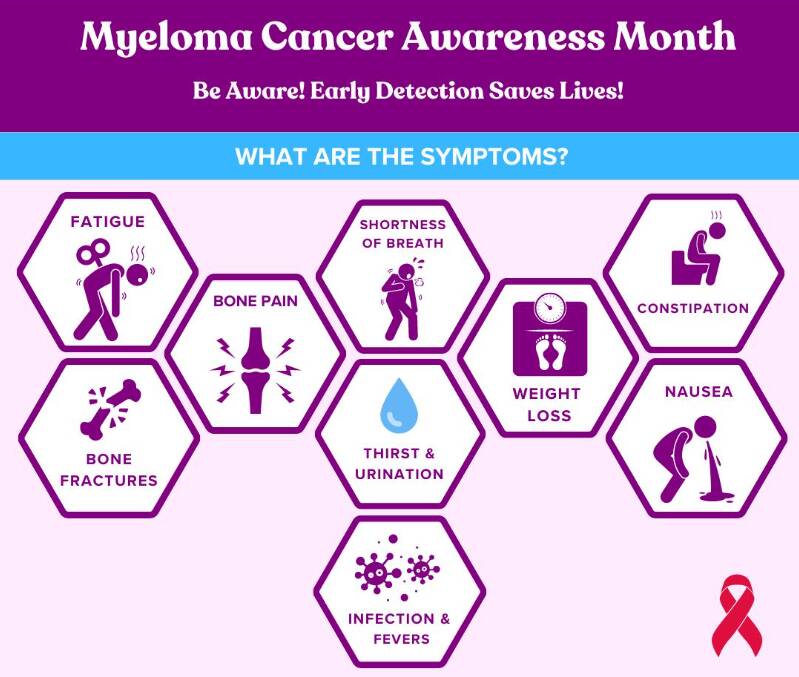
Signs and Symptoms of Multiple Myeloma
Symptoms can vary from person to person. In the early stages, some patients may have no symptoms at all. When symptoms appear, they may include:
- Bone pain (commonly in the lower back, spine, ribs, or chest)
- Persistent fatigue and weakness
- Frequent or recurrent infections
- Low appetite and nausea
- Unexplained weight loss
- High calcium levels in the blood
- Numbness or weakness in the legs
- Easy fractures due to weakened bones
⚠️ Persistent bone pain, fatigue, or repeated infections should never be ignored.
Who Is at Higher Risk?
You may have a higher risk of developing multiple myeloma if you:
Are over 65 years of age
Are male
Are overweight or obese
Have a family history of multiple myeloma
Have been exposed to radiation, pesticides, or industrial chemicals
Have Monoclonal Gammopathy of Undetermined Significance (MGUS)
What Is MGUS?
MGUS is a pre-cancerous condition where abnormal plasma cells are present but do not cause symptoms.
People with MGUS need regular monitoring, as a small percentage can progress to multiple myeloma over time.
What Causes Multiple Myeloma?
The exact cause is not fully understood. Researchers believe it results from a combination of:
Genetic changes
Environmental exposures (including radiation and certain chemicals)
Immune system dysfunction
Exposure to toxins such as dioxins has been linked to a higher risk.
How Is Multiple Myeloma Diagnosed?
Diagnosis involves a combination of clinical evaluation, blood tests, imaging, and bone marrow studies, including:
- Bone marrow biopsy or aspiration
- Blood tests to check red and white blood cell counts
- Serum and urine electrophoresis to detect M-proteins
- MRI scans
- CT scans
- PET scans to assess bone involvement
These tests help confirm the diagnosis and determine disease stage.
Treatment Options for Multiple Myeloma
Treatment depends on:
- Stage of the disease
- Presence of symptoms
- Overall health of the patient
Common treatment approaches include:
- Targeted therapy
- Immunotherapy
- Chemotherapy
- Corticosteroids
- Bone marrow (stem cell) transplantation
- Radiation therapy (in selected cases)
Smouldering Multiple Myeloma
Patients without symptoms may not need immediate treatment but require close monitoring.
With appropriate therapy, disease progression can be controlled, symptoms relieved, and quality of life significantly improved.
Can Multiple Myeloma Be Prevented?
There is no guaranteed way to prevent multiple myeloma, as it arises from genetic changes. However, general health measures are advised:
- Maintain a healthy lifestyle
- Avoid unnecessary exposure to radiation and chemicals
- Keep chronic conditions under control
Attend regular medical check-ups, especially if diagnosed with MGUS
Key Takeaway
Multiple myeloma is a serious but treatable blood cancer, especially when detected early. Awareness of symptoms, understanding risk factors, and timely consultation with a specialist can make a life-changing difference.
📞 Call / WhatsApp: +91 81234 43036
🌐 Website: drvishalkulkarni.com